
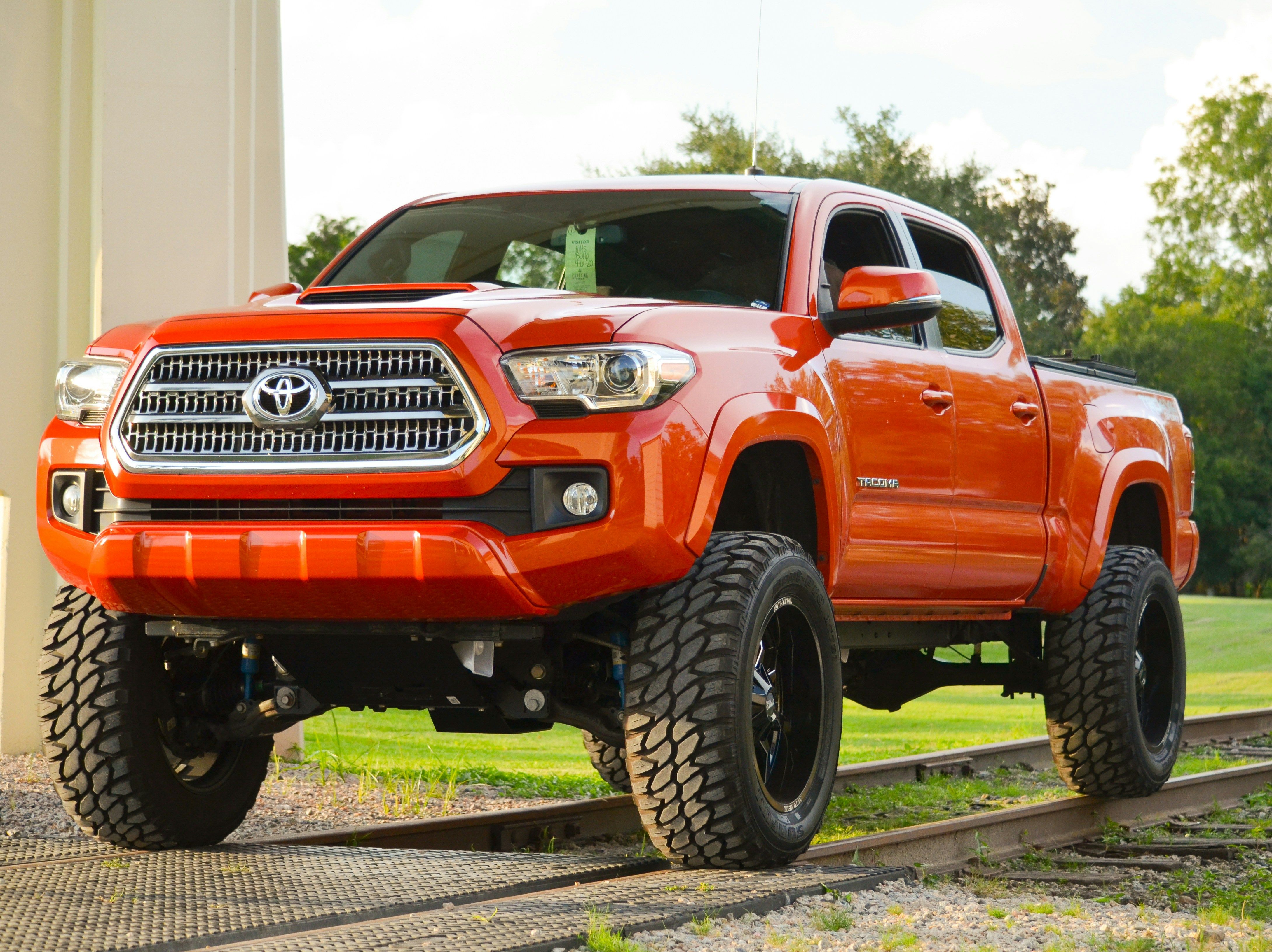
Tires for 3rd Gen Tacoma (2016–2023): What Actually Works
On this page
Quick Answer
If you want a Tacoma that rides well, looks right, and doesn’t rub everywhere:
- Best “set it and forget it” daily + light off-road: a quality All-Terrain tire in a factory-ish size (often 245/75R16, 265/70R16, 265/65R17, or 265/60R18 depending on trim).
- Best “bigger but still livable” upgrade: step up one size (usually a mild diameter increase) while keeping reasonable wheel offset and a lighter load rating.
- Best “33s” goal: plan on 285/70R17 (≈33") with the right wheel specs and some trimming / liner work on many setups.
Fitment rule: Tire size is only half the story. Wheel width + offset decides most rubbing issues.
Who This Guide Is For
- 2016–2023 Tacoma owners (SR/SR5/TRD Sport/TRD Off-Road/Limited)
- Stock height or mild lifts (0–3")
- Anyone trying to avoid the “I bought tires and now it rubs” problem
What This Guide Covers
- How to choose tire type (H/T vs A/T vs M/T) by use case
- A size + setup cheat sheet (stock, mild lift, 33s)
- Wheel offset basics (so you don’t accidentally create rubbing)
- Load range/ply rating guidance (ride quality matters)
Key Takeaways
- Keep wheel offset sane: 0 to +15mm is the “easy button” for most Tacomas.
- Choose tire type by use case: A/T for most people, M/T only if you truly need it.
- Load range matters: SL or C often rides better than E on a daily driver.
- 33s can work, but usually require setup choices + small trimming, not magic.
Fundamentals You Need (Tacoma Tire Fitment 101)
1) Verify Your Starting Point
Check:
- Door jamb placard (factory tire size + recommended pressures)
- Your current tire size (sidewall)
- Your wheel diameter (16/17/18)
Common factory sizes across trims often include:
- 245/75R16
- 265/70R16
- 265/65R17
- 265/60R18
(Exact size varies by trim, wheel package, and prior owner changes — always verify yours.)
2) Tire Size = Diameter + Width
- Bigger diameter = more ground clearance, but more rubbing risk + slower feel.
- Wider = more stability and traction, but more rubbing + heavier steering feel.
3) Wheel Offset Is the Rubbing Multiplier
More negative offset pushes the tire outward and increases:
- Fender/liner rubbing
- Trimming needs
- Stress on bearings/ball joints
Decision Framework: Pick the Right Tire in 5 Steps
Step 1 — Pick Your Use Case
Choose the “majority” use:
- Daily driver / highway (quiet, long wear, good wet braking)
- All-terrain (most popular: highway + dirt + light rock)
- Snow/ice (true winter or severe-snow-rated all-terrain)
- Mud/heavy off-road (mud-terrain; loud, heavier, worse MPG)
Step 2 — Decide Your “Max Pain” Level
- No trimming / no rub (most conservative)
- Minor liner work (reasonable)
- Cut/CMC / aggressive trimming (commitment)
Step 3 — Choose a Size That Matches Your Setup
Use the cheat sheet below.
Step 4 — Choose Load Range (Ride Quality + Strength)
- SL (Standard Load): smoothest ride, often best for daily drivers
- C (Load Range C): strong but still comfortable for many Tacomas
- E (Load Range E): toughest, but often rides harsh and adds weight
Step 5 — Confirm Wheel Specs Before You Buy
If you’re not on stock wheels, confirm:
- Wheel width
- Offset
- Backspacing
These matter as much as the tire itself.
3rd Gen Tacoma Tire Size Cheat Sheet
Setup Goal
Typical “Safe” Direction
Notes
Stock height, want no drama
Stay near factory diameter
Best ride + least rubbing risk
Stock height, want a mild upgrade
Slightly taller, not dramatically wider
Often works with minimal fuss depending on wheel/offset
2–2.5” lift, practical build
Moderate increase (common “sweet spot”)
Often needs minor liner/clip adjustments
3” lift, more aggressive
33” territory becomes realistic
Rubbing depends heavily on wheel offset/width
“33s” (≈285/70R17)
Plan around 33s intentionally
Expect some trimming/liner work on many setups
Important: There is no universal “guaranteed no rub” 33” setup. Your wheel offset/width, alignment, tire brand (true size), and suspension geometry all matter.
Tire Type Guide (What to Run and Why)
Highway / All-Season (H/T-ish)
Best for:
- Mostly pavement
- Quiet ride, best MPG, best wet braking (usually)
Tradeoffs:
- Less grip in mud/rocks
- Sidewalls often softer for off-road
All-Terrain (A/T) — the default winner for most Tacomas
Best for:
- Daily driving + dirt roads + moderate trails
- Balanced traction + decent road manners
Look for:
- Good wet traction reviews
- Strong sidewall reputation (if you off-road)
- If you see snow: 3PMSF (severe snow rating)
Mud-Terrain (M/T)
Best for:
- Frequent mud, deep ruts, serious off-road use
Tradeoffs:
- Loud, heavier, worse MPG
- Often worse wet braking on pavement
Winter Tires (real winter)
Best for:
- Real winter conditions (ice, packed snow)
Notes:
- If you drive mountain passes often, winter tires are the “cheat code.”
- You can run winter tires seasonally and swap back to A/T for spring/summer.
Wheel Offset + Width Guidelines (To Avoid Rubbing)
Recommended “Easy Button” Offset
- 0 to +15mm offset is usually the friendliest zone for fitment and reduced rubbing.
What to Be Careful With
- Aggressive negative offset wheels typically increase:
- rubbing
- trimming needs
- component wear
Wheel Width
- Moderate wheel widths are easier to fit than very wide wheels.
- If you go wider, keep offset conservative to avoid pushing the tire too far out.
Load Range & Ride Quality (Most People Get This Wrong)
If You Daily Drive Your Tacoma
You’ll usually be happier with:
- SL or C (better comfort and steering feel)
If You Tow Heavy or Hammer Rocks
You may justify:
- E, but expect:
- harsher ride
- heavier rotating mass
- slower acceleration and more braking effort
Recommended Paths (Pick Your Scenario)
Scenario A — Daily Driver + Occasional Dirt Roads
- Choose a quality A/T or highway-friendly A/T
- Stay near factory diameter or do a mild step up
- Prefer SL or C
- Keep wheel offset 0 to +15
CTA Placeholder (add SimpleTire links later):
- Shop A/T tires in your size → (SimpleTire link placeholder)
Scenario B — Weekend Trails + Overlanding
- A/T with stronger sidewalls
- Consider a moderate size increase
- Avoid aggressive negative offset wheels
- Expect small liner adjustments if you push size
CTA Placeholder:
- Shop overland-ready A/T tires → (SimpleTire link placeholder)
Scenario C — Snow Country / Mountain Passes
- Prioritize winter performance:
- winter tires, or
- 3PMSF-rated A/T (if you can’t do seasonal sets)
- Don’t chase width; snow often likes narrower setups
CTA Placeholder:
- Shop winter / severe-snow-rated tires → (SimpleTire link placeholder)
Scenario D — “I Want 33s” (285/70R17)
- Plan the full setup, not just tires:
- wheel offset/width
- alignment targets
- possible trimming/liner work
- (optional) UCAs depending on lift/alignment needs
CTA Placeholder:
- Shop 285/70R17 tires → (SimpleTire link placeholder)
Common Mistakes (Avoid These)
- Buying “33s” without considering wheel offset
- Going Load Range E for looks and then hating the ride
- Copying a wheel/tire combo without matching suspension + alignment
- Forgetting the spare (will it fit under the truck?)
FAQ
Will 33s fit on a 3rd gen Tacoma?
Often yes, but usually with the right wheel specs and some trimming/liner work depending on your lift, alignment, and tire true-size.
What wheel offset should I run to reduce rubbing?
For most practical builds, 0 to +15mm is a strong “low drama” target.
Should I choose SL, C, or E load range?
- Mostly daily driving: SL or C
- Heavy towing/rough rock use: E can make sense, but expect harsher ride.
Do wider tires always look better?
They can, but width increases rubbing risk and can feel heavier in steering. Many “best-driving” Tacomas keep width reasonable and focus on a good A/T.
Do I need a lift for bigger tires?
Not always for mild increases, but lifts don’t magically fix rubbing—wheel offset + alignment are huge.
What about tire pressure?
Start with your door placard and adjust responsibly based on tire/load. Over-inflation makes ride and traction worse.
Internal Next Steps (add links later)
- Wheel Offset Guide (Tacoma): (internal link placeholder)
- Tacoma Lift Kits Start Here: (internal link placeholder)
- Tire Size Fitment by Lift Height: (internal link placeholder)
SimpleTire Link Placeholders (so you can plug in fast later)
Use these as button labels in Sanity now, then add URLs once you’re approved:
- Shop tires by size (enter your size) → (SimpleTire link placeholder)
- Shop 265/70R16 A/T tires → (SimpleTire link placeholder)
- Shop 265/65R17 A/T tires → (SimpleTire link placeholder)
- Shop 265/60R18 A/T tires → (SimpleTire link placeholder)
- Shop 285/70R17 (33”) tires → (SimpleTire link placeholder)
Related products
Product recommendations will appear here when the Auto Fit Essentials Shopify store is connected with real inventory. We do not show placeholder products.
Found this helpful?
Share it with fellow Toyota enthusiasts!
Get the Tacoma checklist
Free 3rd Gen Tacoma Maintenance and Upgrade Checklist — practical sequencing tips, no spam.
Keep learning
Explore more guides, maintenance checklists, and fitment tips for your Toyota.
More Toyota Guides
Continue learning with our expert articles