
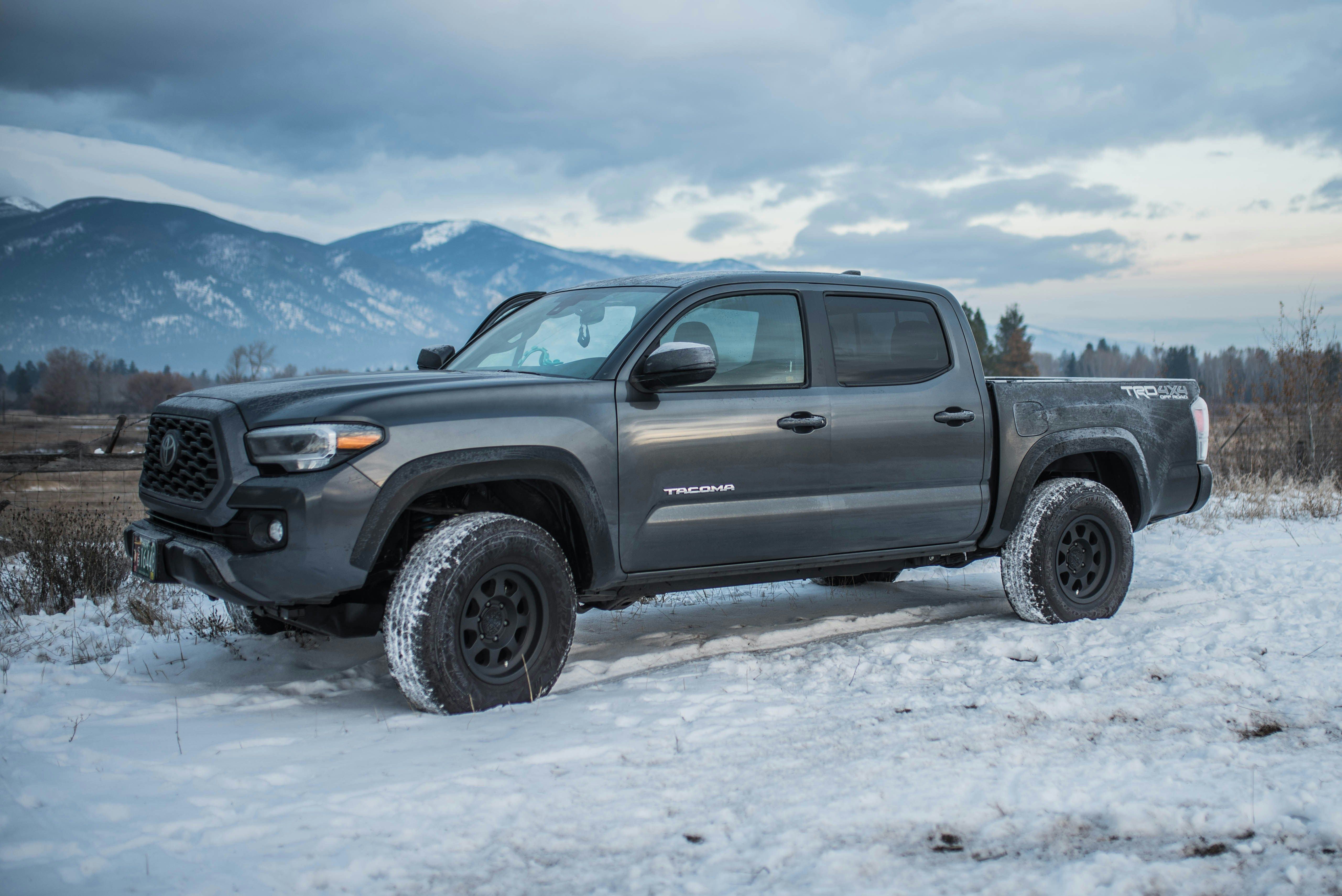
Tacoma Ride Quality After Lift: What Makes It Worse and How to Fix It
If your Tacoma rides worse after a lift, the problem is usually not just the lift itself. Here’s how to diagnose harsh ride quality and what fixes actually help.
Check your exact setup before you buy parts
Use the Tacoma Tire Fitment Calculator to estimate rubbing risk by tire size, wheel offset, and lift height.
On this page
A lift can make a Tacoma look better, clear larger tires, and improve capability, but it can also make the truck ride worse if the setup is not matched to how the truck is actually used.
A lot of owners install lift parts and then wonder why the truck feels stiffer, busier, bouncy, or less settled than stock. The good news is that bad ride quality after a lift usually has a reason behind it.
This guide explains the most common causes of harsh or disappointing ride quality on a 3rd Gen Tacoma and the fixes that actually make a difference.
- A bad-riding lifted Tacoma is usually a setup problem, not just a “lift problem.”
- Too much preload, overly stiff springs, cheap dampers, and wrong tire pressure are common causes.
- Rear lift parts can affect ride quality just as much as front suspension parts.
- E-load tires and aggressive wheel choices often make ride quality worse than owners expect.
- The best fix usually comes from diagnosing the system, not replacing random parts.
If your Tacoma rides badly after a lift, the most common causes are overly stiff suspension parts, too much front preload, poor shock tuning, bad alignment, or tires inflated too high. The fix is usually a better-matched setup, not simply adding more lift parts.
Why a Tacoma Often Rides Worse After a Lift
A Tacoma does not ride worse just because it is taller.
It rides worse when the parts in the system stop working together well.
That usually means one or more of these problems:
- spring rate too stiff for the truck
- too much preload used to create lift
- cheap shocks with poor damping control
- rear suspension that is harsher than the front
- tires that are too stiff or overinflated
- alignment that makes the truck feel unsettled
- wheels and tires that add weight and harshness
The truck may sit higher, but that does not guarantee it will ride better.
Common Ride Quality Complaints After a Lift
Owners usually describe the problem in a few predictable ways.
It feels harsh over small bumps
This often points to spring rate, tire pressure, or damping.
It feels bouncy or floaty
This often points to shock control rather than spring rate alone.
It feels choppy in the rear
Rear leaf choices, add-a-leafs, blocks, and tire pressure often contribute here.
It feels nervous on the highway
Alignment, caster, and overall suspension balance may be part of the issue.
It feels worse than stock in normal daily driving
This usually means the setup was built more around advertised lift height than real ride quality.
Too Much Front Preload Is a Common Problem
A lot of Tacoma lifts create front height by adding preload.
That works, but too much preload can make the front suspension feel stiffer and reduce how naturally it responds to smaller bumps.
This is especially common when owners crank adjustable coilovers high in search of more lift without thinking about ride quality.
More height is not always better.
If the truck is sitting high but riding poorly, too much preload may be one of the reasons.
Spring Rate Matters More Than Many Owners Expect
A spring that is too stiff for the actual weight on the truck can make the ride feel harsh and busy.
This happens a lot when owners buy springs intended for heavy bumpers, winches, armor, or constant added load, but the truck is still relatively light.
The result can be:
- harsher ride over normal pavement
- less compliance on small impacts
- front or rear suspension that never feels settled
A Tacoma should be sprung for the weight it actually carries, not the weight the owner might add someday.
Cheap or Poorly Matched Shocks Can Ruin the Ride
Not all lift kits ride the same.
A big part of the difference comes from the dampers.
A shock that is poorly valved or built mainly to achieve lift height may:
- feel harsh over repeated bumps
- lose control over larger impacts
- bounce more than expected
- make the truck feel busy on imperfect pavement
This is one reason a more carefully tuned suspension often rides better at the same lift height than a cheaper setup.
Height and ride quality are not the same thing.
Important: A Tacoma can sit at the “right” height and still ride badly if the springs and shocks are the wrong match for the truck.
Rear Suspension Is Often the Real Source of Harshness
Many owners focus on the front and forget the rear.
But rear ride quality problems are extremely common after a lift, especially when the truck uses:
- stiff add-a-leafs
- blocks with harsh shocks
- leaf packs that are too firm for daily driving
- tire pressure that is too high in the rear
If the truck feels especially choppy or kicky from the back, the rear suspension is often the first place to look.
A balanced Tacoma should not feel like the front and rear are doing completely different things over the same bump.
Tire Pressure Can Make a Bigger Difference Than Expected
This is one of the easiest fixes to miss.
A lot of lifted Tacoma owners run more tire pressure than they need, especially when switching to LT tires or E-load tires.
That can make the truck feel much harsher than necessary.
Too much pressure can cause:
- sharp impacts over cracks and joints
- less compliance on rough pavement
- more rear-end harshness
- a truck that feels stiffer than the suspension actually is
Before blaming the suspension, tire pressure should be checked against the real tire size, load rating, and actual vehicle use.
Tire Construction and Wheel Choice Affect Ride Too
A heavier tire and wheel package can change ride quality more than many owners expect.
That is especially true when the truck moves to:
- heavier all-terrain or mud-terrain tires
- E-load tires on a daily driver
- wider, heavier wheels
- aggressive offset that changes steering feel
A suspension that felt acceptable on lighter stock wheels and tires may feel much less refined after a heavy aftermarket package is added.
This is one reason some owners blame the lift when the full wheel-and-tire package is part of the problem.
Alignment Can Make a Lifted Tacoma Feel Worse
Ride quality is not only about vertical comfort.
If the alignment is off, the truck may feel nervous, unsettled, or busy even if the suspension itself is decent.
Low caster, poor side-to-side balance, and incorrect toe can all make a Tacoma feel worse after a lift.
That is why ride complaints should always include an alignment check before major parts are changed.
Weight Mismatch Creates Bad Results
A Tacoma suspension should match how the truck is actually equipped.
If your springs and shocks are built around heavy front armor, a winch, bed load, overlanding gear, or constant extra cargo — but the truck is mostly empty — the ride may feel too stiff.
The reverse can also happen. A truck loaded with weight on a suspension meant for a lighter build may feel soft, undercontrolled, or overloaded.
Good ride quality usually comes from matching the suspension to the truck’s real-world weight.
Fastest Ride Quality Fixes to Check First
Before replacing expensive parts, start here.
Check tire pressure
This is often the cheapest and fastest improvement.
Verify alignment
A poorly aligned Tacoma can feel worse than it should.
Check how much preload is dialed in
Too much front preload is a common cause of harshness.
Review your spring choice
Make sure the spring rate matches actual vehicle weight.
Look at the rear lift method
Blocks, add-a-leafs, and leaf packs all affect ride differently.
These steps often reveal the real issue faster than guessing.
Front-End Ride Quality Fixes
If the front feels harsh, stiff, or unsettled, common fixes include:
- reducing excessive preload
- switching to a better-matched spring rate
- improving shock quality or valving
- correcting alignment
- avoiding unnecessary front lift height
Many owners chase appearance first and comfort second. The better approach is to choose the minimum front lift that achieves your tire and stance goals without overworking the suspension.
Rear-End Ride Quality Fixes
If the rear feels choppy or kicks over bumps, common fixes include:
- correcting tire pressure
- reconsidering stiff add-a-leaf setups
- upgrading rear shocks
- using a better-matched leaf solution
- matching the rear setup to actual cargo weight
Rear ride quality is often where a Tacoma build wins or loses daily-driver comfort.
What Not to Do
Do not assume more lift will make it better
More lift often makes poor ride quality worse.
Do not blame one part too quickly
The problem is often the combination of springs, shocks, tires, pressure, and alignment.
Do not buy heavy-duty parts for an imaginary future build
Suspension should match the truck you drive now.
Do not ignore tire pressure
This is one of the most overlooked ride fixes.
Do not judge the setup by looks alone
A truck can look perfect and still drive poorly every day.
The Best Daily-Driver Mindset
If your Tacoma is mostly a daily driver, the best ride quality usually comes from moderation.
That means:
- reasonable lift height
- springs matched to actual weight
- good dampers
- moderate wheel and tire choices
- practical tire pressure
- correct alignment
A lot of harsh lifted Tacomas are simply overbuilt for the way they are actually used.
Final Answer
If your Tacoma rides worse after a lift, the lift itself is usually not the whole problem.
The real cause is often too much preload, overly stiff springs, cheap or poorly matched shocks, harsh rear suspension choices, heavy tires, or tire pressure that is too high. Alignment can make the whole setup feel worse too.
The smartest fix is to diagnose the full system instead of throwing more parts at it. Most bad-riding Tacomas improve when the suspension, tires, pressure, and alignment are brought back into balance.
Frequently asked questions
Why does my Tacoma ride rough after a lift?
The most common reasons are too much preload, stiff springs, poor shock tuning, high tire pressure, and heavier wheel-and-tire combinations.
Can tire pressure make a lifted Tacoma ride worse?
Yes. Overinflated LT or E-load tires can make a Tacoma feel much harsher than necessary.
Do lift kits always hurt ride quality?
No. A well-matched lift can still ride well. The problem is usually the wrong parts or setup choices, not lift height alone.
Why does the rear of my Tacoma feel choppy after a lift?
Rear shocks, add-a-leafs, blocks, leaf pack stiffness, and tire pressure are common causes.
Can alignment affect ride quality after a lift?
Yes. A bad alignment can make the truck feel nervous, unsettled, and less refined.
Is more preload bad for ride quality?
Too much preload often makes the front end ride stiffer and less compliant over smaller bumps.
Related products
Product recommendations will appear here when the Auto Fit Essentials Shopify store is connected with real inventory. We do not show placeholder products.
Found this helpful?
Share it with fellow Toyota enthusiasts!
Get the Tacoma checklist
Free 3rd Gen Tacoma Maintenance and Upgrade Checklist — practical sequencing tips, no spam.
Keep learning
Explore more guides, maintenance checklists, and fitment tips for your Toyota.
More Toyota Guides
Continue learning with our expert articles